

Benefits of Watching Sunsets: Sleep, Mindfulness & Everyday Wonder
Cover photo: Heejing KIM / Unsplash.
A sunset does not need to be spectacular to be worth your time. A pale sky over a city, a strip of orange beneath the clouds or the slow arrival of blue hour can give you a reason to stop, look up and let the day finish.
The benefits of watching sunsets are often described in terms of better sleep, less stress and a reset for the body clock. Some of those ideas connect with research on light, mindfulness and awe. But research on those broader topics is not proof that watching a sunset itself treats a health condition. Here is a practical way to enjoy the experience without turning it into another wellness obligation.
Can watching a sunset help you sleep?
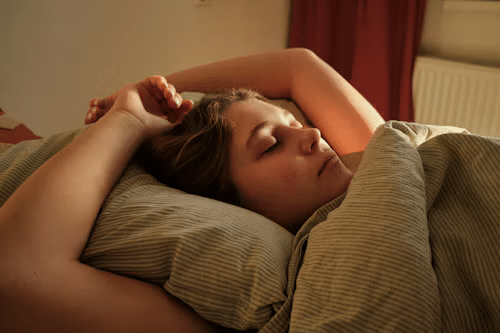
Light and darkness help synchronize the body’s circadian rhythms: daily patterns that influence sleep and wakefulness. An evening outside can make the transition from day to night more noticeable. However, there is no established sunset-watching routine that guarantees better sleep or “resets” your hormones.
Think of sunset as a cue to begin winding down, rather than a treatment. After your walk, you might put work away, keep your evening routine consistent and avoid turning the rest of the night into hours of bright-screen scrolling. Sunset time also changes by season, so it should not determine your bedtime.
Read the NIH explanation of light, darkness and circadian rhythms.
Sunrise alarm clocks and sunset lamps: bringing the transition indoors
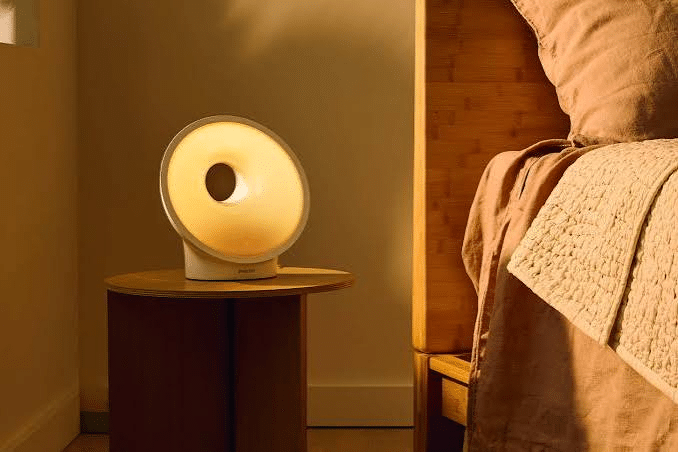
Some bedside lamps imitate the changing light of dawn and dusk. A sunrise alarm clock gradually brightens before your chosen wake-up time. A sunset simulation does the reverse, slowly dimming the light as you prepare for bed. They can make an evening or morning routine feel gentler, especially when your schedule does not match the actual sunrise or sunset.
There is some evidence for dawn simulation, but expectations should stay realistic. In a small randomized crossover study involving eight people who found waking difficult, simulated dawn improved reported alertness and some measures of performance after waking. That is encouraging, but it does not mean every lamp improves sleep or works for everyone. Read the study on dawn simulation and sleep inertia.
For the evening, a lamp that genuinely dims can be a useful cue to wind down. A decorative “sunset projector” that casts an orange circle on the wall is a different product: a warm color alone does not establish a sleep benefit, and a bright lamp is still bright light. Choose a comfortable low setting and a timer that fades or switches the light off, rather than leaving a projector shining all night.
A dark bedroom and consistent sleep schedule matter more than reproducing a perfect sunset color. NIH healthy sleep guidance recommends quiet time before bed and a quiet, cool, dark sleeping environment. Sunrise and sunset lamps are optional routine tools, not a substitute for care if sleep problems persist.
A simple setting for meditation and mindful attention
You do not need to empty your mind or sit perfectly still. Watch how one cloud changes color. Notice the air on your skin and the sounds around you. When your attention wanders, gently return to something you can see or hear.
Mindfulness research suggests potential benefits for stress and sleep, although results vary. Evidence is not sufficient to recommend mindfulness alone as a treatment for chronic insomnia. A quiet sunset pause is simply one accessible way to practice paying attention; it has not been shown to deliver the same outcomes as a structured meditation program.
NCCIH: stress and mindfulness · NCCIH: evidence on sleep disorders

Enjoy the sky the way you enjoy art
Look at the scene as a changing composition. A dark roof can frame a band of pink. Reflections can repeat the colors of the sky. Clouds can turn the same view into something unfamiliar within minutes. You do not need to name every color, understand the weather or take a photograph for the experience to count.
This is also an invitation to notice awe: a sense of wonder at something larger than yourself. In a small randomized study of older adults, participants encouraged to take “awe walks” reported greater increases in certain positive emotions than a walking control group. The study was about walks and attention, not sunsets specifically, so it supports a possibility rather than a promise.
Study: Big smile, small self — awe walks and positive emotions.
A gentle boundary between work and evening
A sunset walk can become a small, repeatable ritual: close your laptop, step outside and spend a few minutes looking somewhere other than a screen. Go alone when you want quiet, or invite someone to share the view. Even an ordinary evening can offer a useful break.
If you enjoy photography, take a few frames and then lower the camera. Try watching the scene before deciding what to capture. Our golden hour photography guide explains how low-angle light changes a photograph, while these blue hour tips help you explore the softer light after sunset.
Try a five-minute sunset pause
- Choose a safe place. A park, balcony or familiar path is enough. Check the route home before it gets dark.
- Put your phone away for a moment. Notice three colors or shapes in the landscape.
- Breathe naturally. Let your attention return to the view without forcing a particular feeling.
- Stay curious. A cloudy or muted sky is still worth observing.
- Finish gently. Carry one detail from the scene into the rest of your evening.
Look at the surrounding sky and landscape, not directly at the Sun. A low Sun can still damage your eyes; do not view it through binoculars, a telescope or an optical camera viewfinder without appropriate solar protection.
Find your next sunset with PhotoTime
Use our sunset time calculator to check when the Sun sets in your location, or explore the golden hour calculator to plan a little time outside before it does.
For the full light analysis and sunset potential forecast, download PhotoTime. You can preview the Sun’s path in AR, plan around weather conditions and set reminders. A forecast can help you choose when to go, but a quiet evening does not need a high score to be worthwhile.